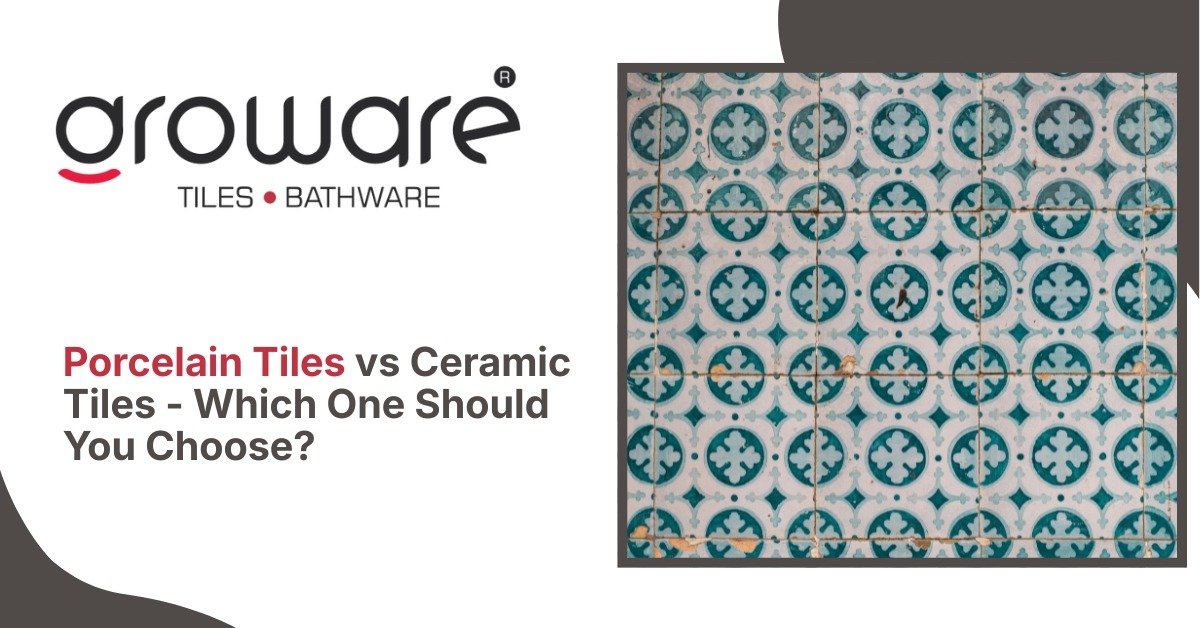
When it comes down to choosing the ideal flooring or wall paint for your house, the argument over porcelain tiles or ceramic tiles can be among the most frequently asked questions homeowners have to answer. Both are well-known, durable, and appealing to the eye, but they each differ in a way that could determine your selection. Let's break it down into simple terms to help you choose the tile that is best for your home.
Porcelain tiles are constructed from a finer, denser clay that is fired at higher temperatures than regular ceramic tiles. This makes them highly resistant to water as well as less porous.
Highly water resistant, this makes them perfect for kitchens and bathrooms, as well as outdoor spaces
Extremely durable and less susceptible to chips or cracks
Available in a variety of finishes, including matte, glossy wood-look, and matte
Easy to keep clean
Due to their durability and resistance to moisture, porcelain tiles are typically recommended for high-traffic areas or for spaces that are exposed to water.
Ceramic tiles are made of natural clay, but they are also softer and fired at lower temperatures in comparison to porcelain. They are lighter, simpler to cut, and are generally less expensive.
Lightweight and easy to install
Cost-effective, they are perfect for budget-conscious projects
Available in a variety of patterns, colours, and styles. Available in a variety of colors, patterns, and
For walls, backsplashes, and flooring with low traffic
Although ceramic tiles aren't as thick as the porcelain ones, they are a gorgeous and practical option for a variety of spaces in your home.
The choice is contingent on your individual requirements, space, and budget.
Choose Porcelain Tiles if:
You're looking for maximum durability and resistance to water
The tiles are for areas with high traffic, like kitchens, hallways, or commercial areas.
You're looking for an investment that will last and that needs only minimal maintenance
Select Ceramic Tiles If:
You're on a tight budget, but you still require style and flexibility
You're tiled walls or flooring with low traffic
You'd rather install them with less effort and lighter tiles.
In a lot of cases, they even utilise the two materials in different areas of their homes: porcelain for damp and high-traffic areas, and ceramic to decorate walls, and ceramic for decorative uses.
Consider room usage: Bathrooms, kitchens, and outdoor spaces benefit more from porcelain tiles.
Test Slip Resistance: Textured or matte finishes can prevent slips, particularly in bathrooms.
Think About Maintenance: Both are easy to clean; however, porcelain tiles are more resistant to stains.
The Style and the Design: The ceramic and porcelain tiles are available in a variety of designs, colours, and textures. Choose the one that best suits your décor.
The decision to choose between porcelain tile and ceramic tile boils down to the durability, area, and cost. Ceramic tiles are stronger and moisture-resistant, whereas vinyl tiles are inexpensive, flexible, durable, and easy to install. For those who want stylish, durable, long-lasting, and premium tiles, Grow Ceramic offers a variety of ceramic and porcelain tiles that are a perfect blend of aesthetics with practicality.
Absolutely, they are more expensive due to their density and durability; however, the tiles last longer.
Absolutely! The low absorption of water and high durability make them suitable for outdoor spaces.
Ceramic tiles are more suitable for bathrooms due to their resistance to the effects of moisture and water.
Tiles are an abrasion-resistant material suitable for medium- to low-traffic areas, but they can be damaged by heavy use.
Do I need to do this? A lot of homeowners choose to use porcelain for flooring and ceramic for their walls or other areas for decoration.
Powered by Froala Editor